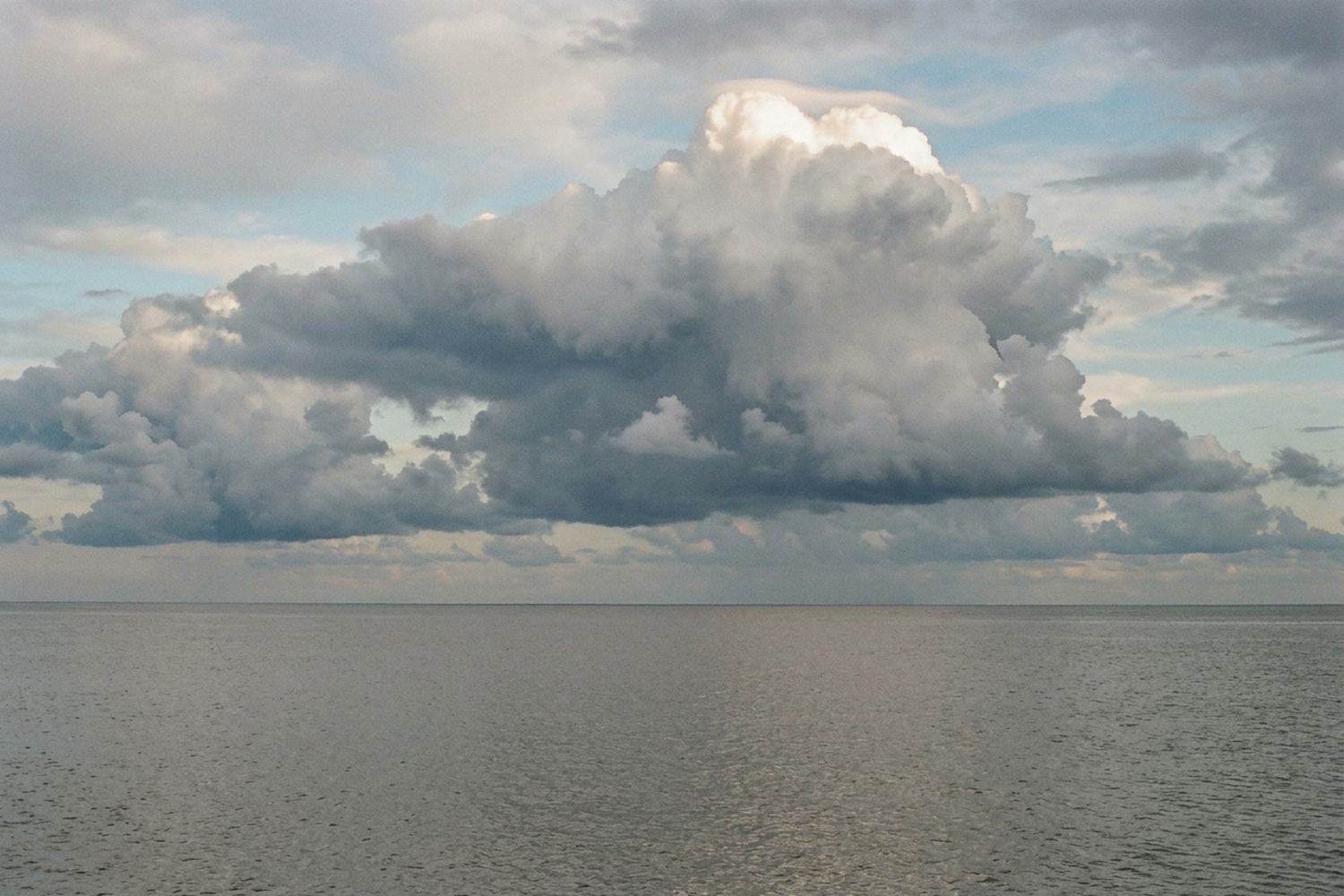
Vacation packages and cruises from Cleveland, OH
Travel Agency in Cleveland, Ohio: Vacation Packages and Cruises
Travelmonte is an independent travel agency in Cleveland, Ohio. Nineteen trips, each one filed by the thing every other agency leaves out: what the weather can take away from you.
Nineteen trips, filed by what the weather can take
Every agency in this trade illustrates itself with sunshine. Almost none of them will tell you, before you pay, what happens when the sky does not cooperate.
It is not a small question. On some trips rain costs you an afternoon and nothing else. On others it cancels the one thing you crossed an ocean to see, and no part of the money comes back, because the operator did everything it promised and the cloud did the rest.
So that is the first thing on every page here, in numbers: what conditions can cancel, how often it actually happens in the months the trip runs, what you do instead, and whether anybody owes you anything afterwards.
- Rain costs an afternoonTowns, food and coast that work wet. A bad week costs an afternoon, not the trip.5 trips, from $1,690 per person
- One set piece exposedOne cable car, one boat, one ridge. Lose it and the week still stands.5 trips, from $2,190 per person
- Half the itinerary exposedIce, swell, cloud or water level decide half the itinerary. Both outcomes are printed.5 trips, from $4,620 per person
- The whole reason for goingOne animal, one alignment, one window. It happens or it does not, and nothing is refunded.4 trips, from $5,240 per person
The stroke on each leans further as the sky takes more: upright when rain costs an afternoon, nearly flat when it can take the whole reason for going. An angle, not a color.
The seat, which the weather barely touches
Everything below opens with the odds against it, because on most of these trips the weather has a vote. On a scheduled flight it has almost none: the aircraft goes in conditions that would shut a pass or cancel a sailing, and on the rare day it does not, an airline rebooks you under rules of its own. So this is the piece to settle first, and the piece nobody here needs to settle for you.
The one thing here with no odds against it
Every trip in this catalog opens with a number: the odds the weather beats it. A scheduled flight has no such number. It leaves on its timetable in weather that would close a mountain road, and on the rare day it does not, the airline moves you under its own rules and this desk is nowhere in that conversation. Which is why it is the one thing on this site you can settle for yourself, right here.
That button passes you to a booking company which is not this one, answering on a subdomain of this address. It returns the prices from its own systems, it holds the seat, and it takes the card, which no page in this catalog could do: none of them carries a field that would accept one. The conditions on the ticket are written by that company and are the ones worth reading. If a sale happens, this office receives part of a margin already built into their figure, and what you pay is the same whether you arrived through this page or went straight to them. Every character the button sends.
The catalog
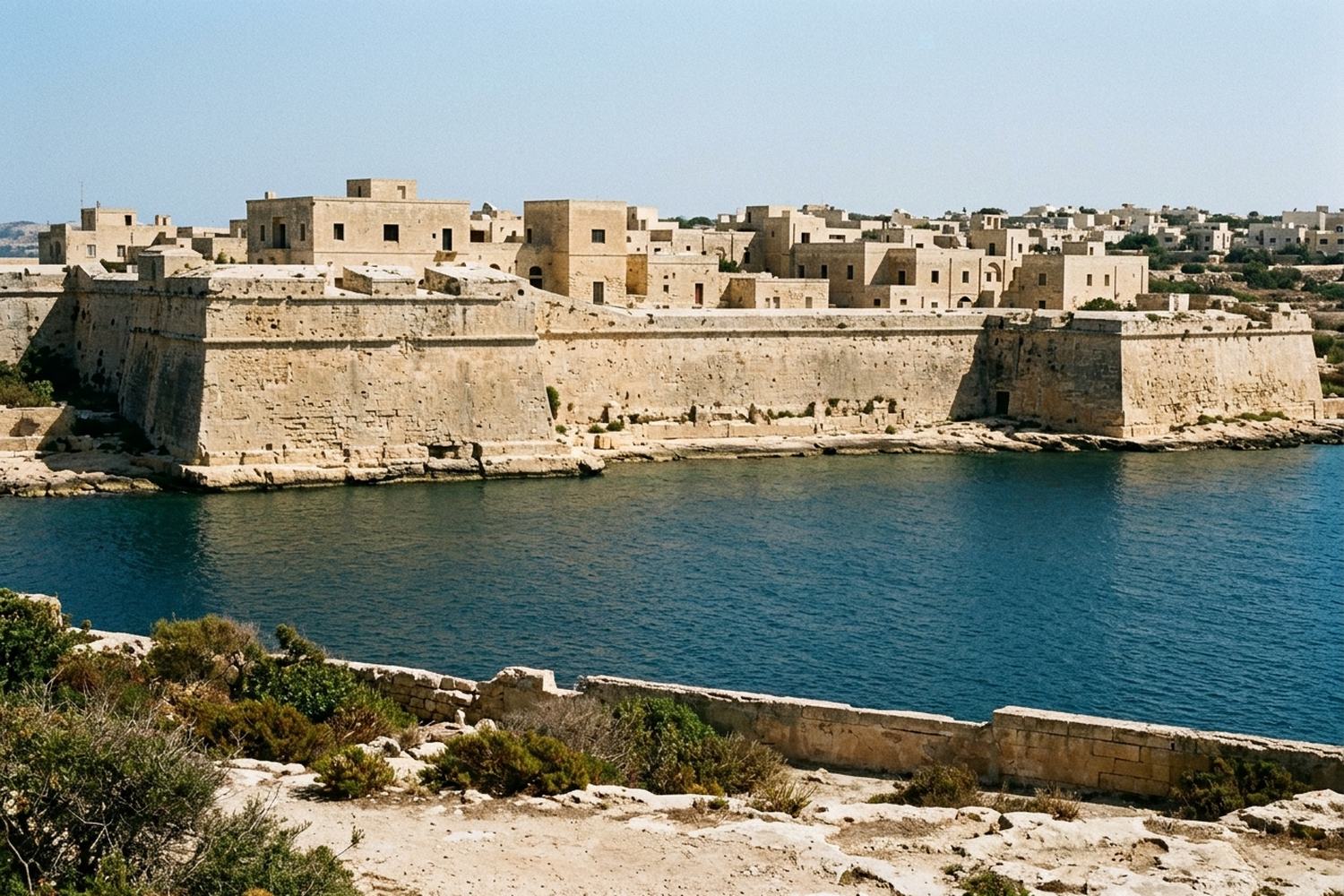 Malta vacation packageself-drive island week
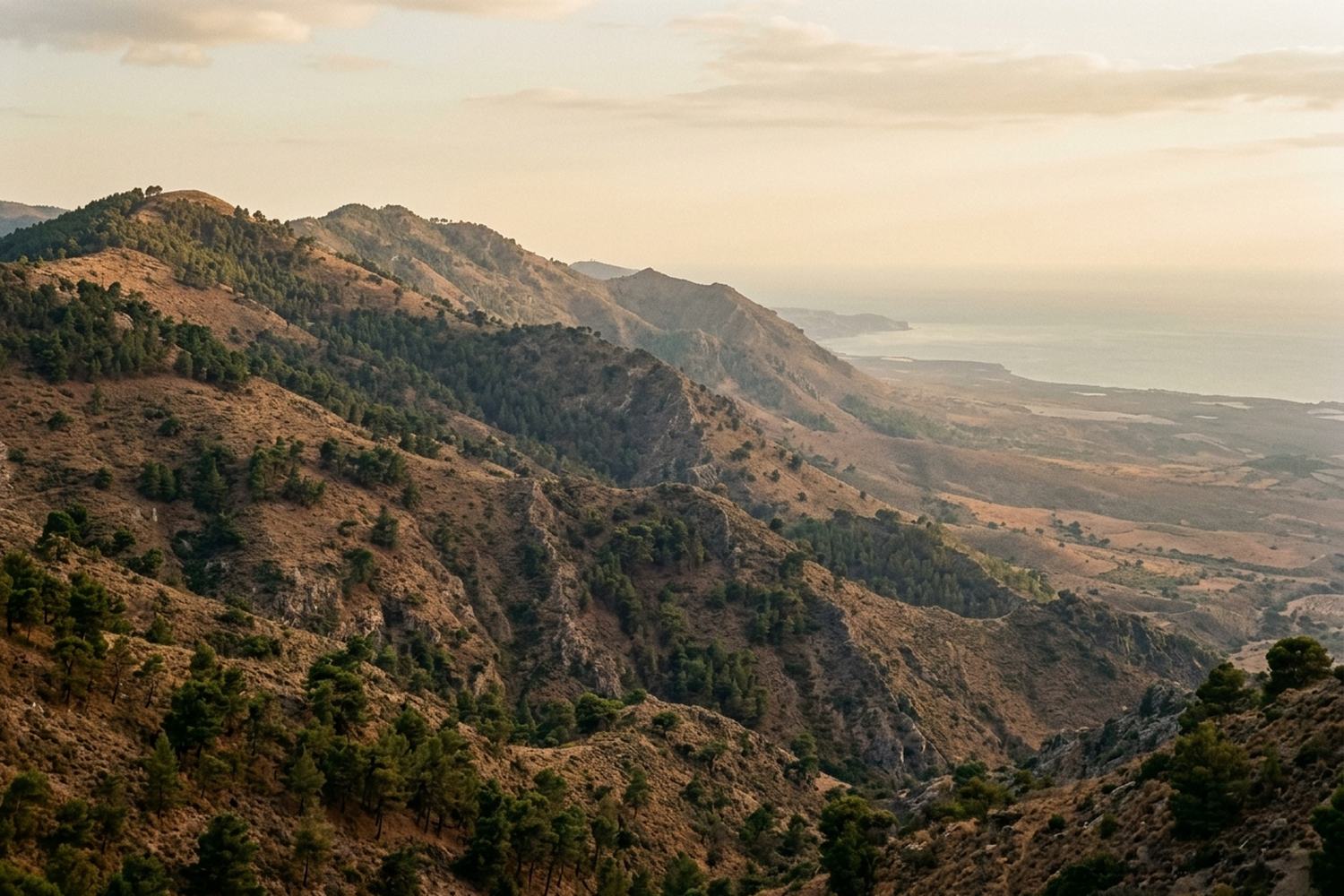 Cyprus vacation packagetwo base island week, mountains and coast
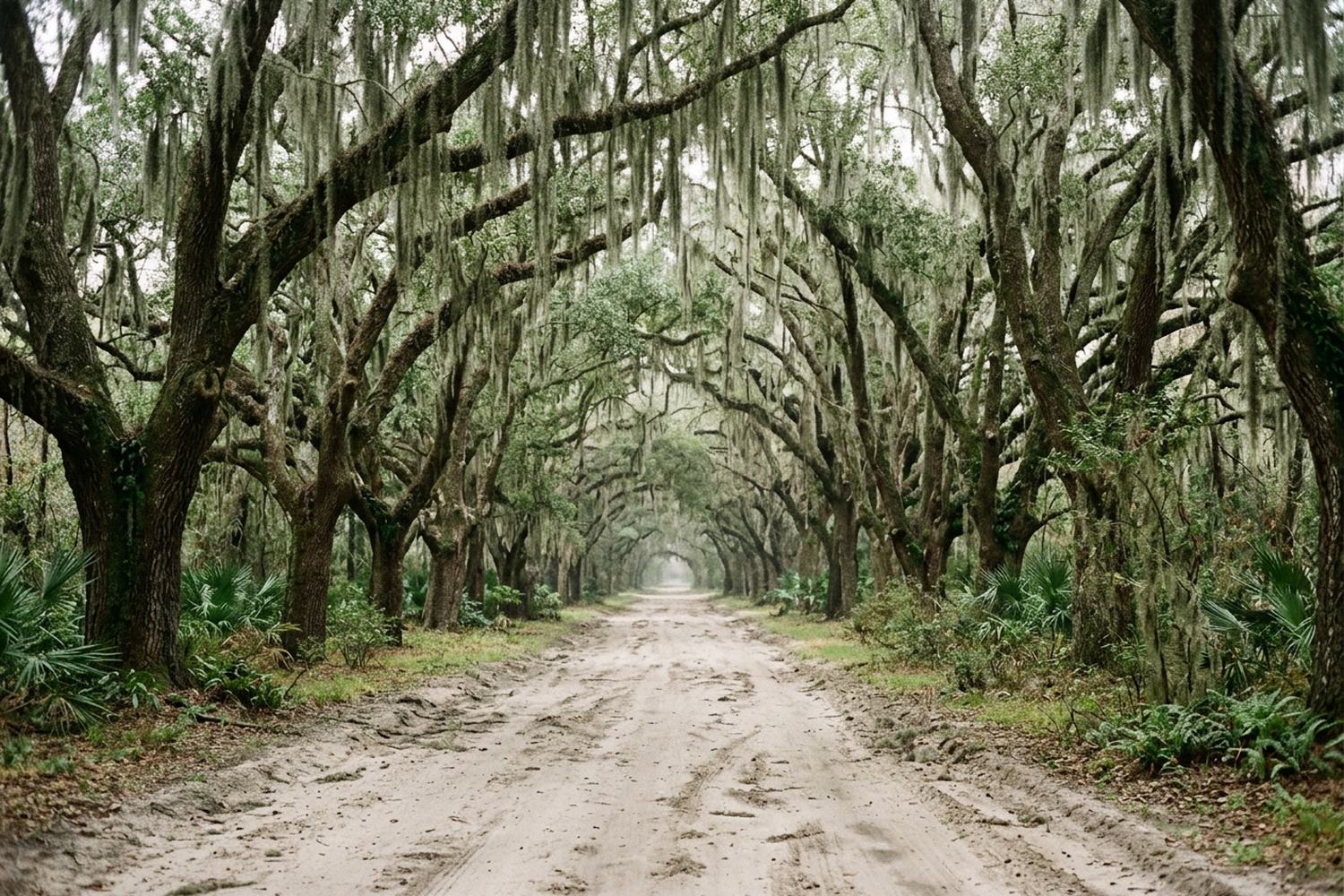 Charleston and Savannah vacation packagetwo-city road trip on the southern coast, walked rather than driven
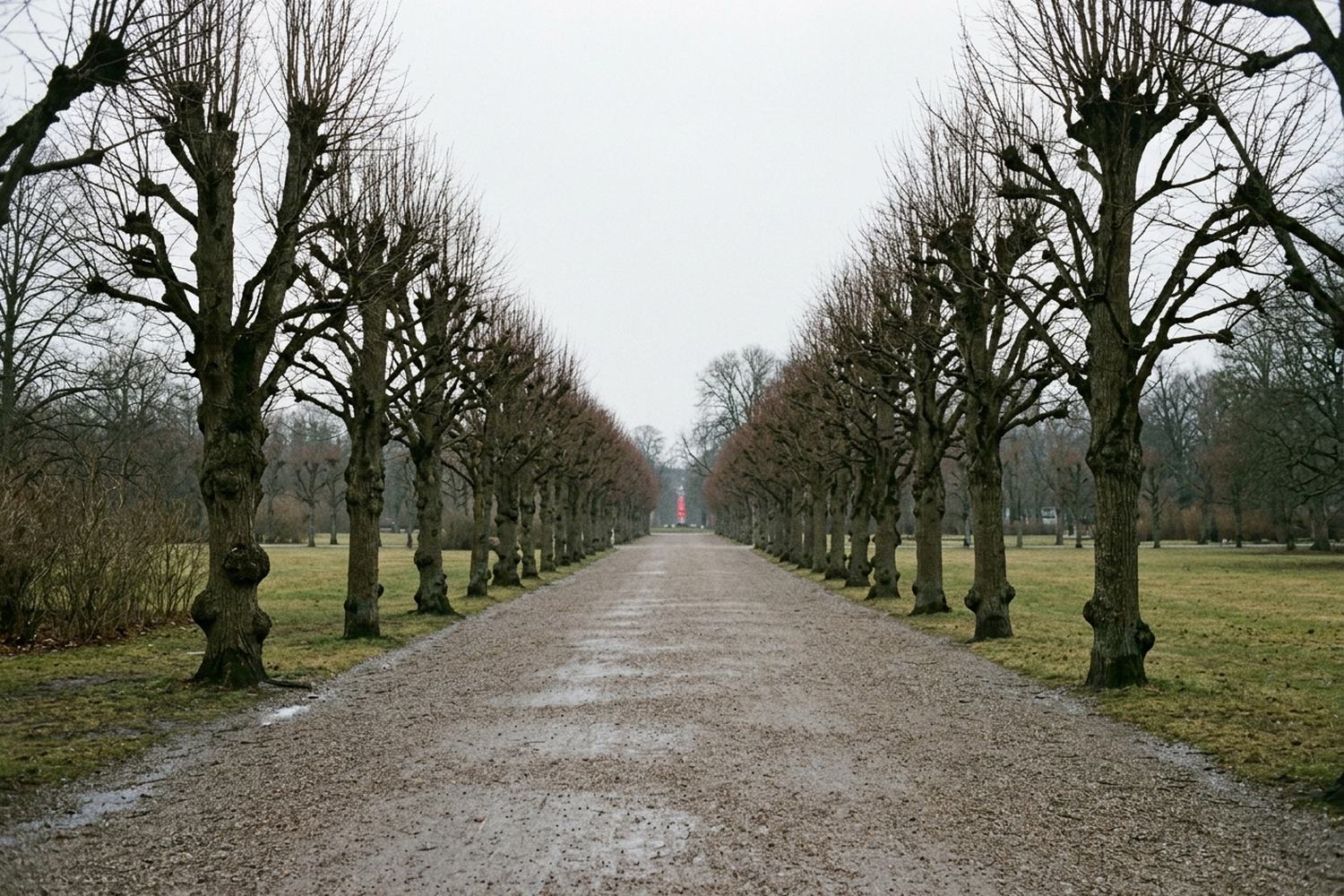 Vienna and Budapest vacation packagetwo capitals by rail, mostly indoors
 Mexico City and Oaxaca vacation packagetwo city food and museum trip at altitude
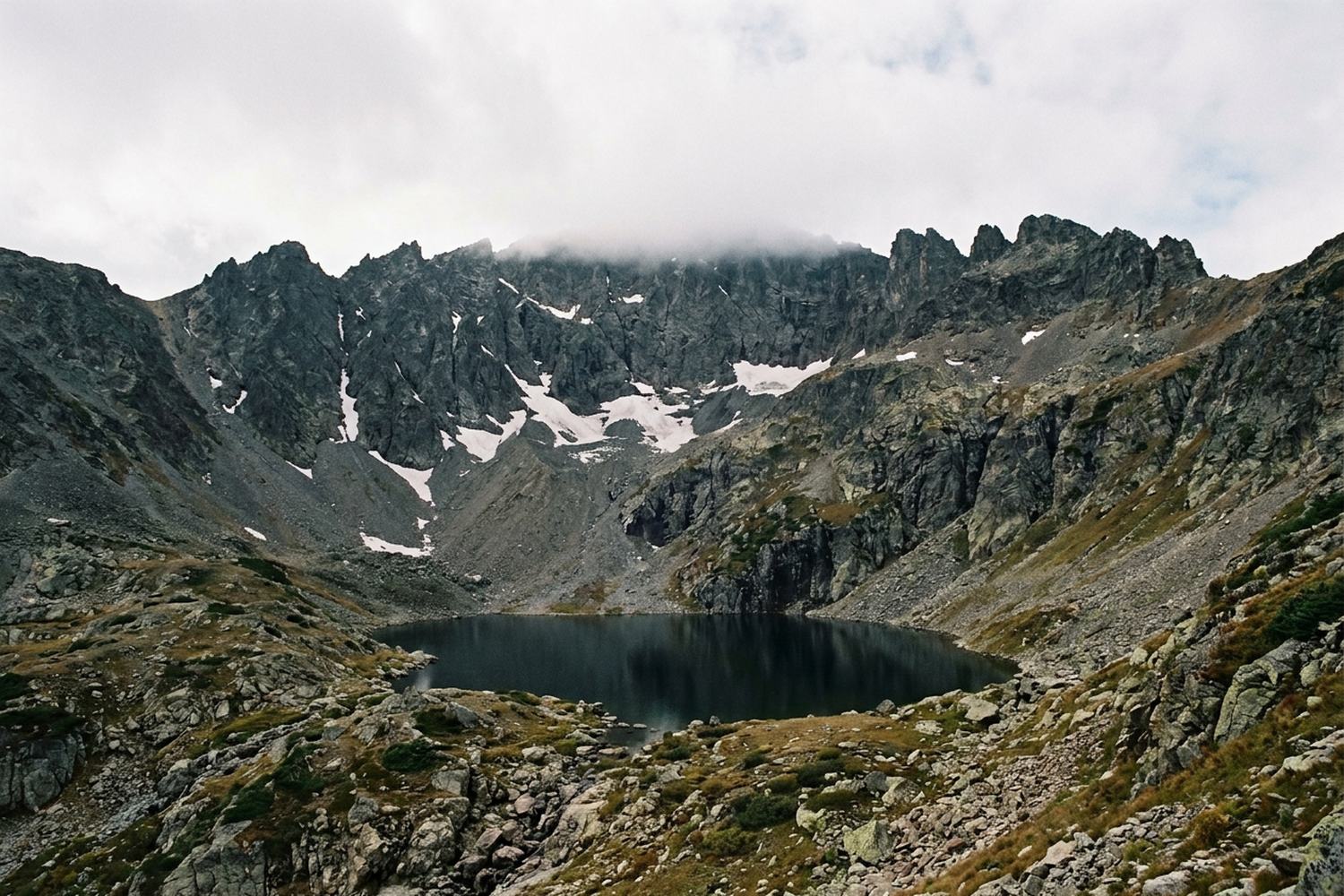 the Tatras vacation packageeight nights in one valley, three guided mountain days, one high ridge morning
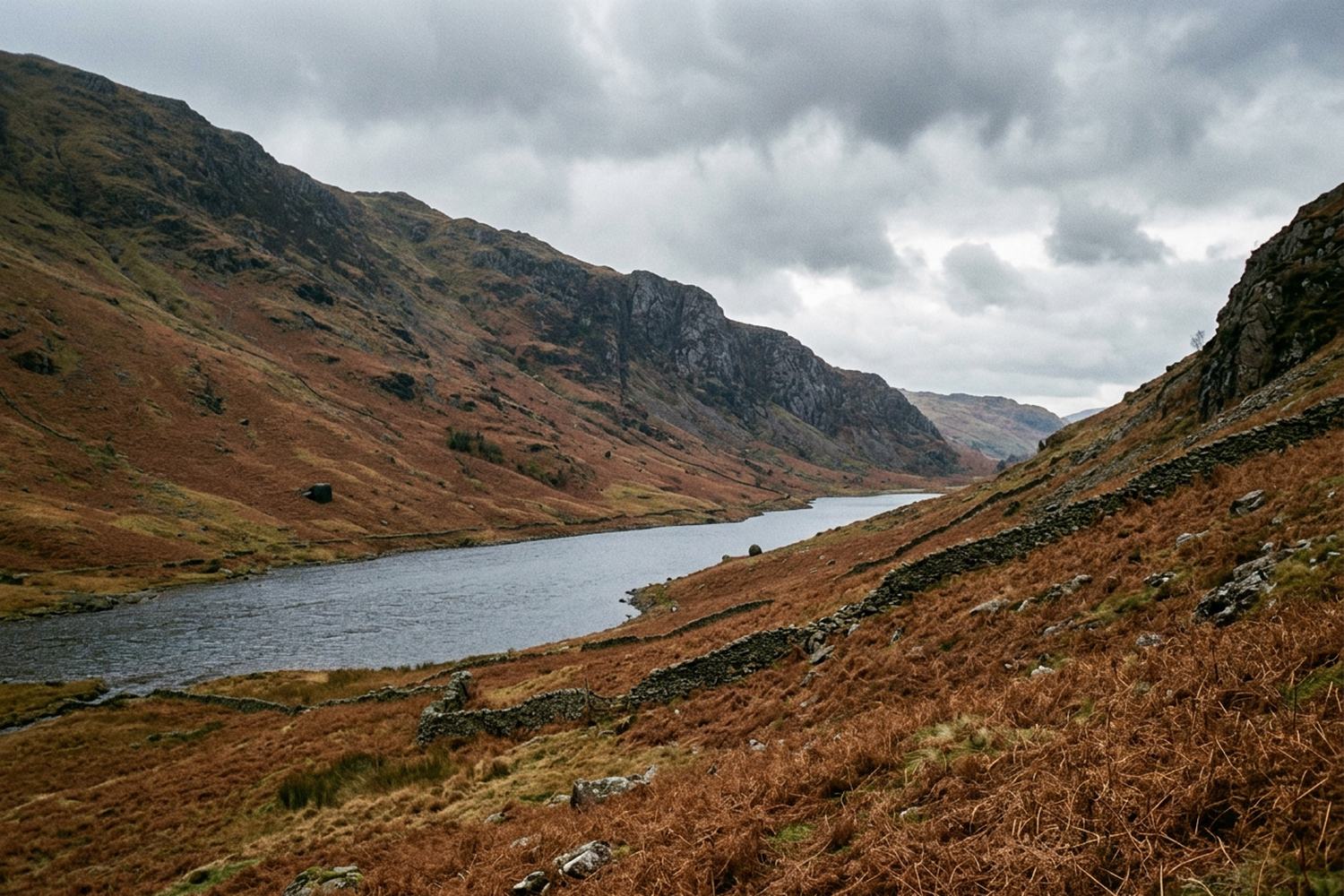 Wales vacation packagea two-base driving week with two weather-dependent days
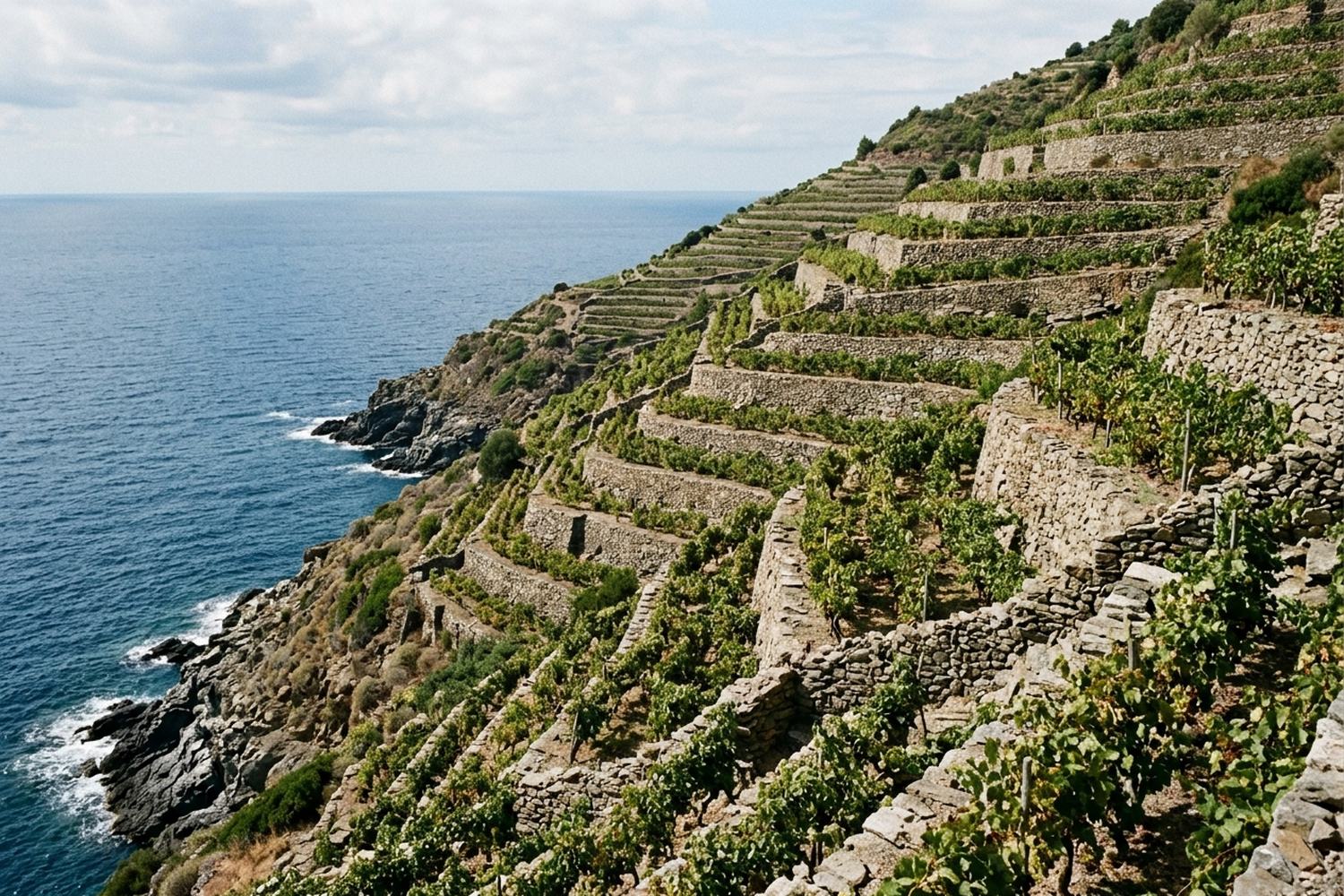 the Ligurian coast vacation packagea seven night walking week between coastal villages, with rail as the fallback
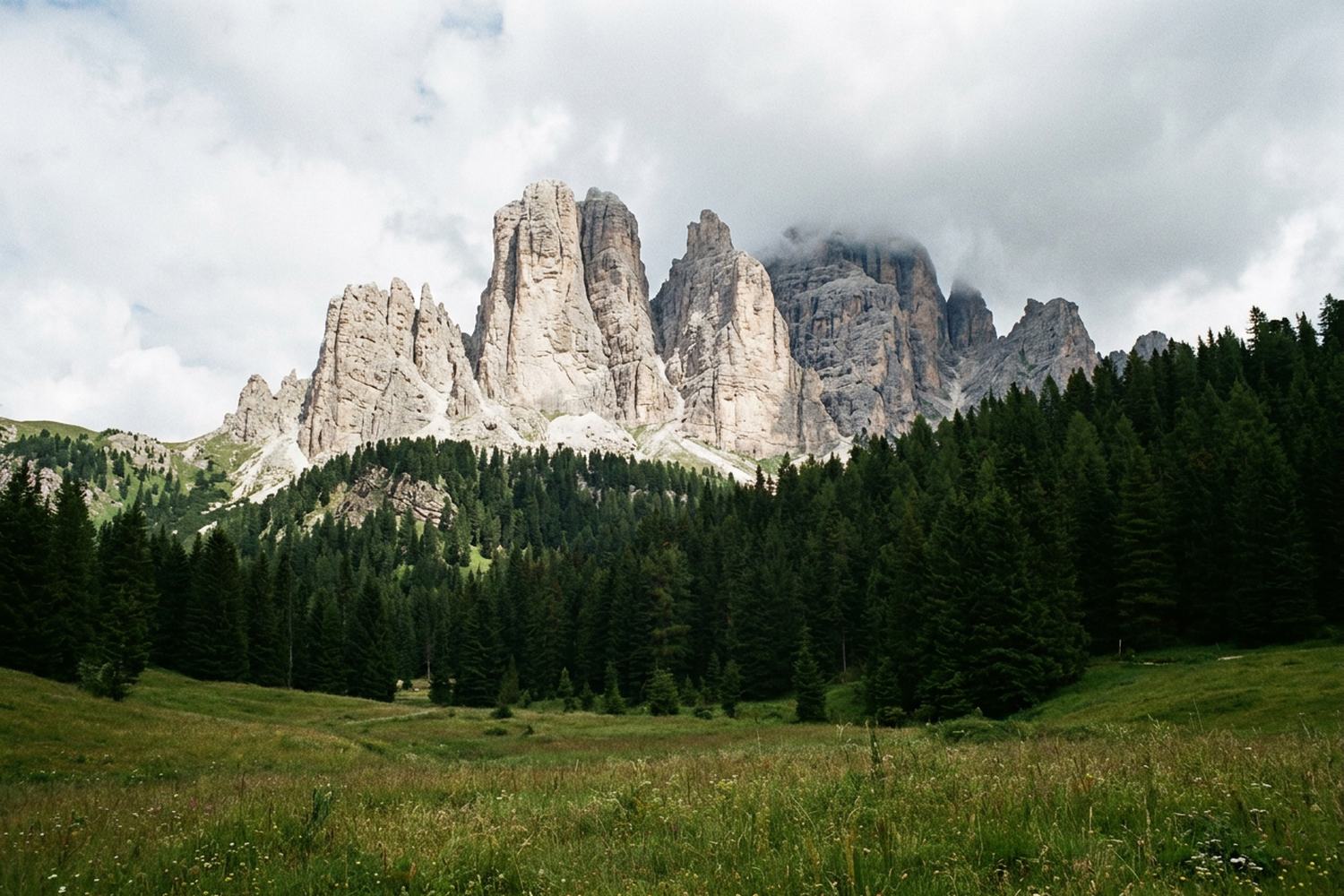 the Dolomites vacation packageeight-night mountain walking week with two lift-dependent days
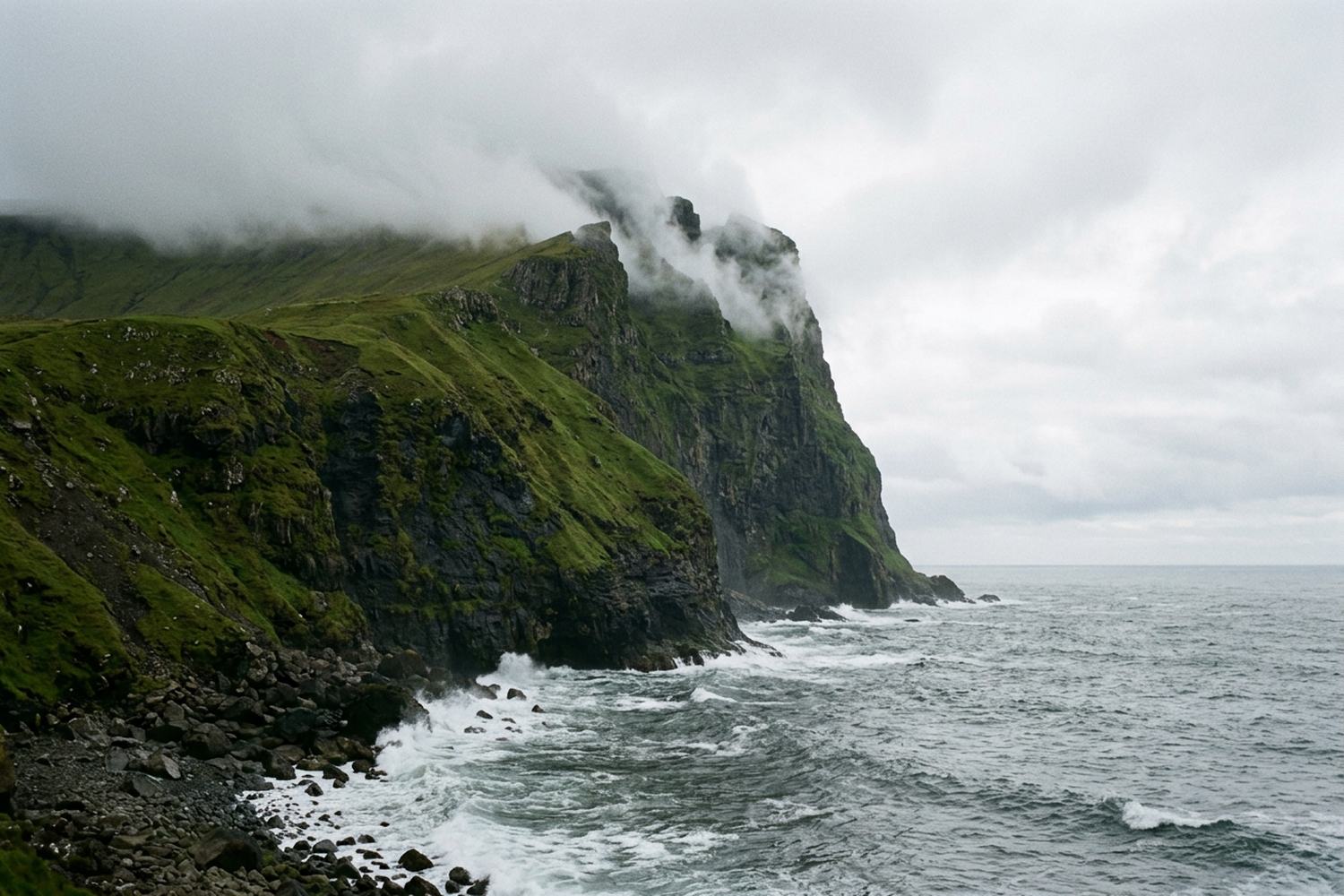 the Faroe Islands vacation packageseven nights, two bases, one boat that may not run
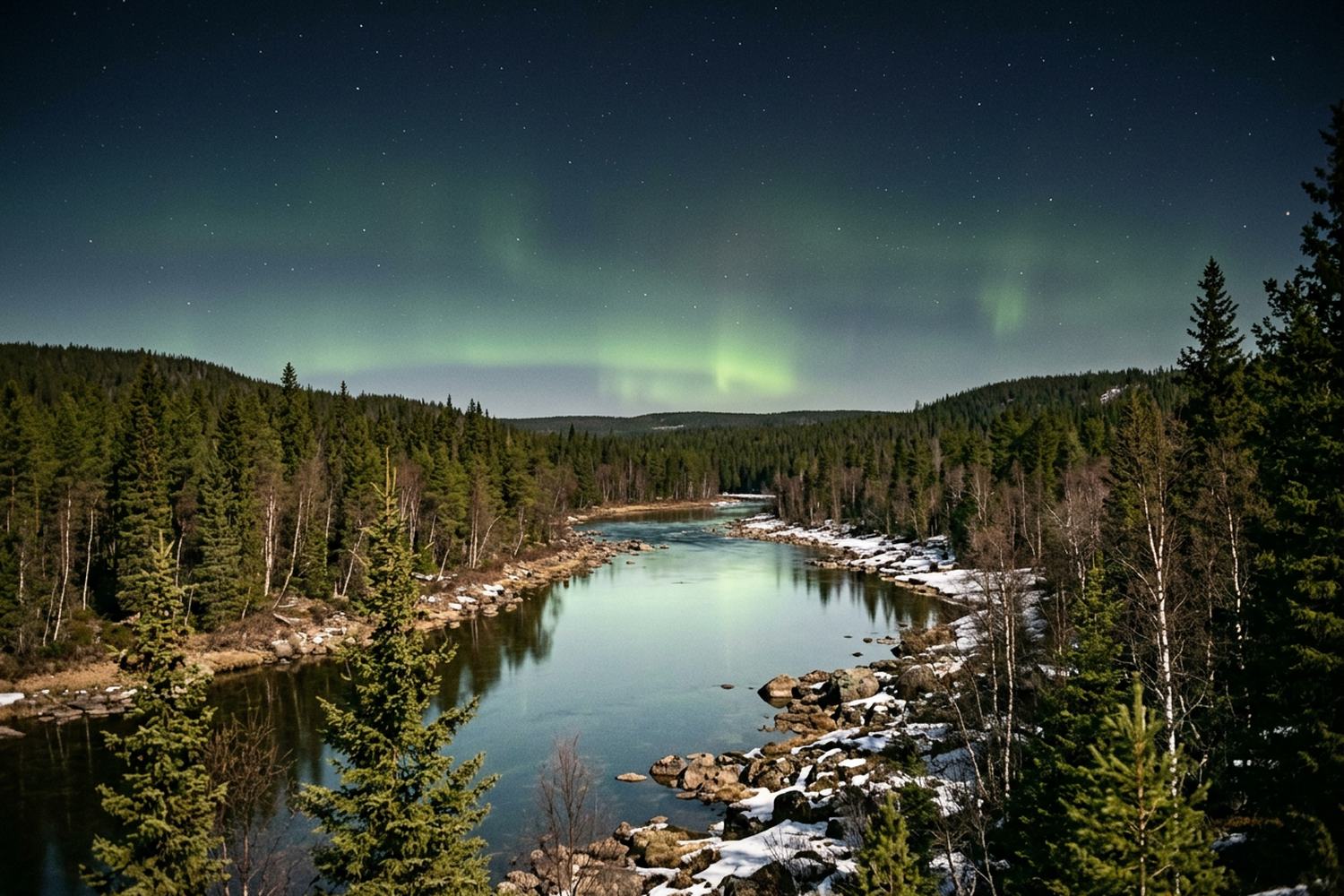 the Yukon vacation packageeight nights in the subarctic north, aurora nights plus a dog team day, road-based
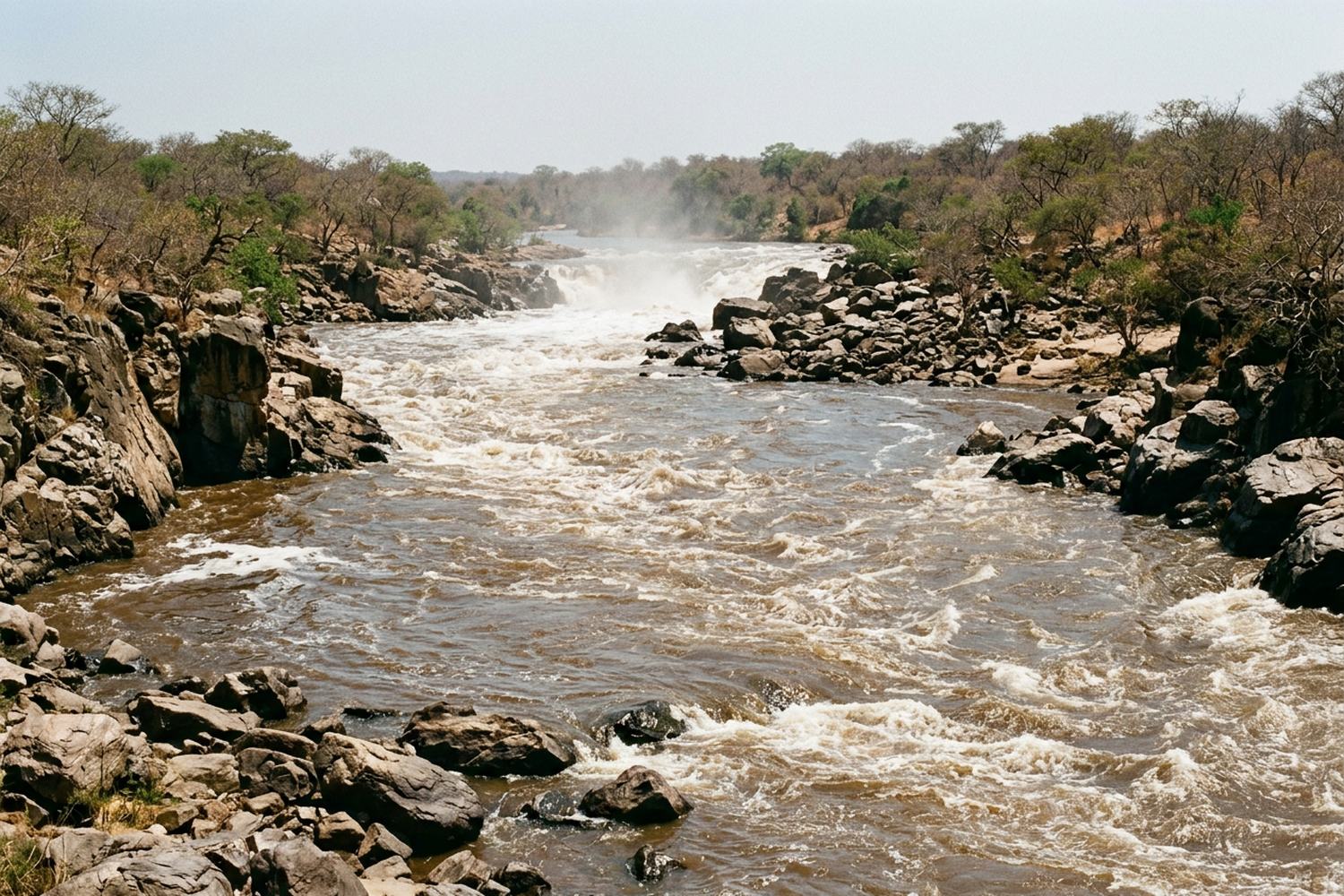 Zambia vacation packageriver and valley week with two falls mornings
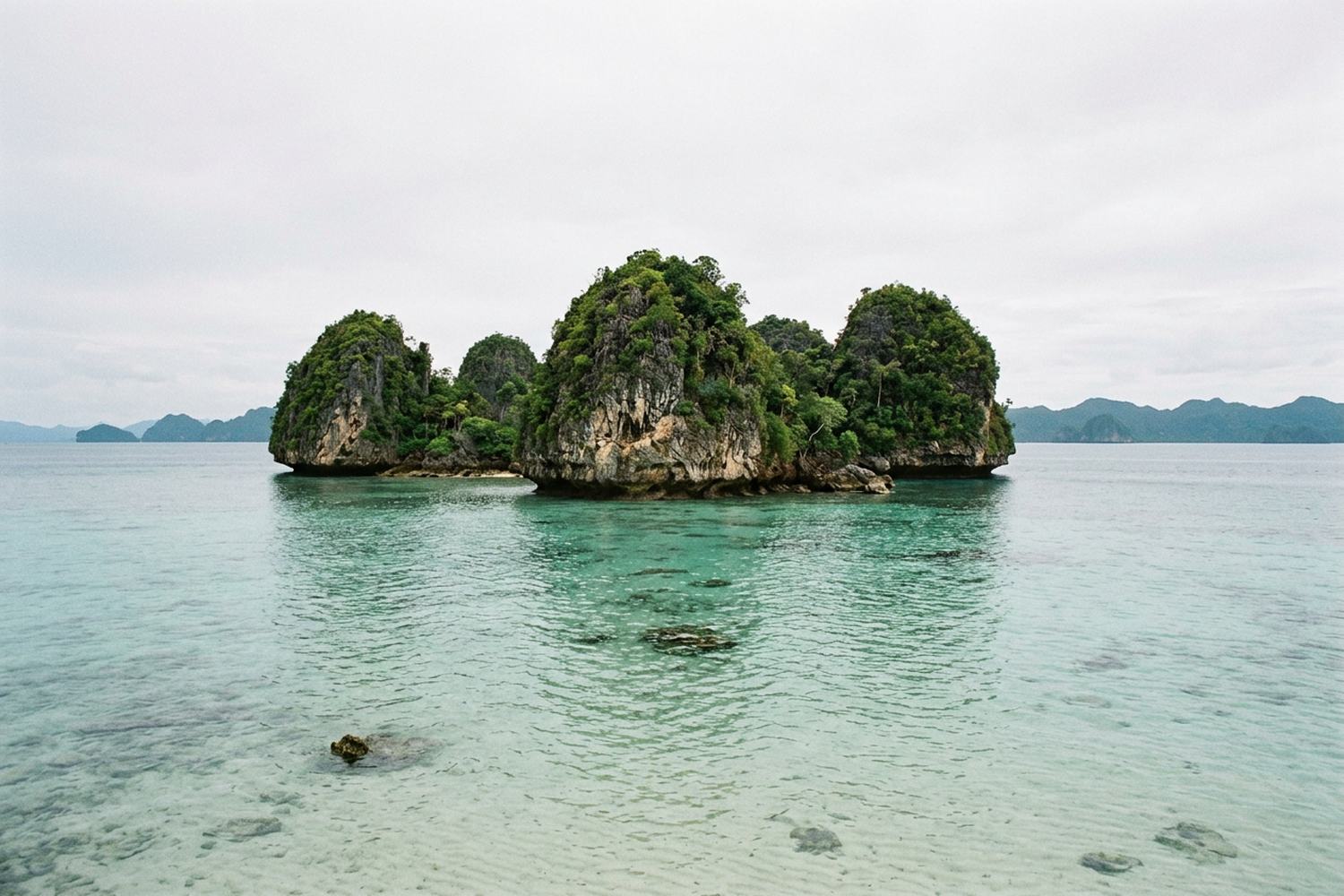 Raja Ampat vacation packageten nights of boat-based diving across a remote island archipelago
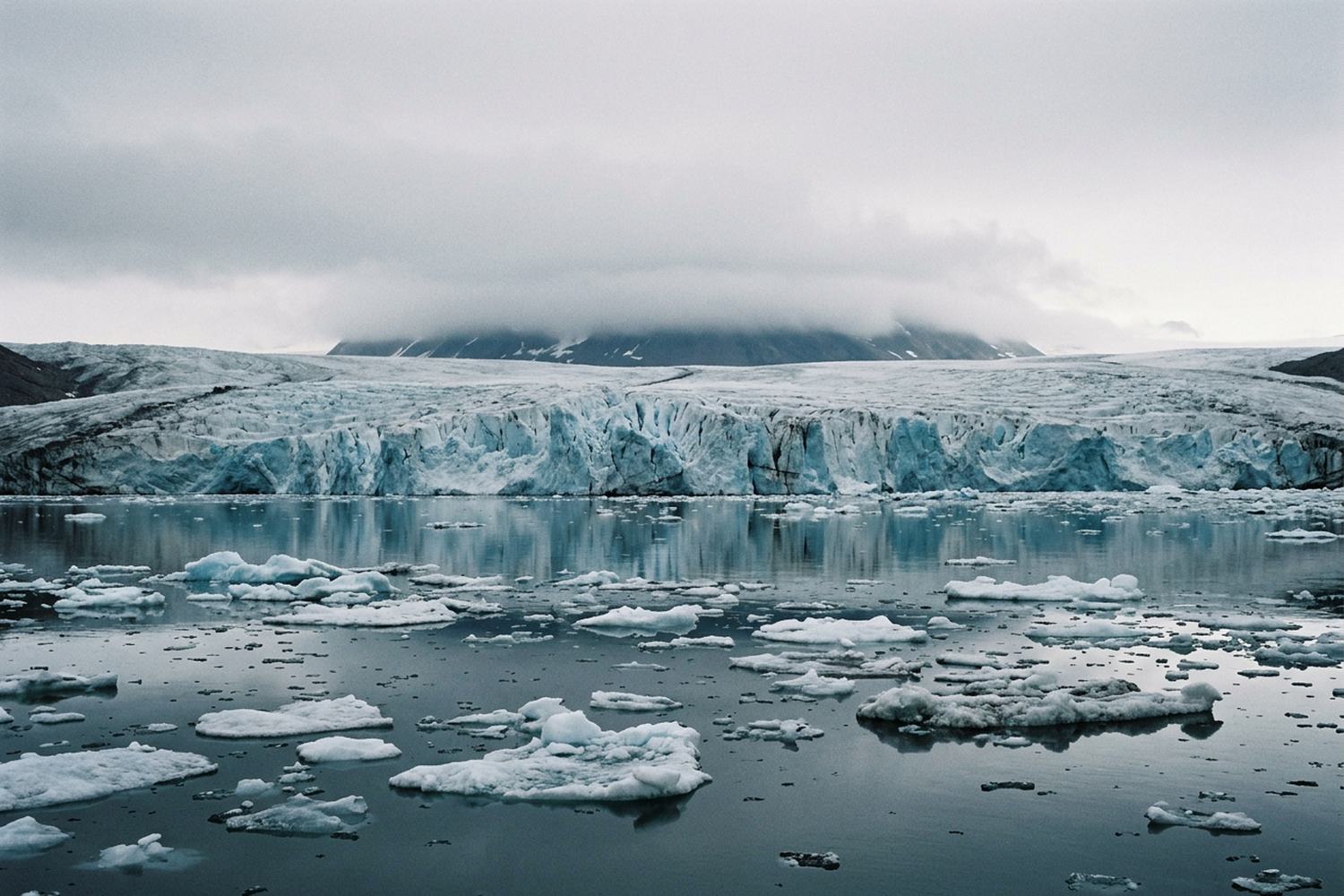 Svalbard vacation packageeight nights in one Arctic town with five small-boat days off it
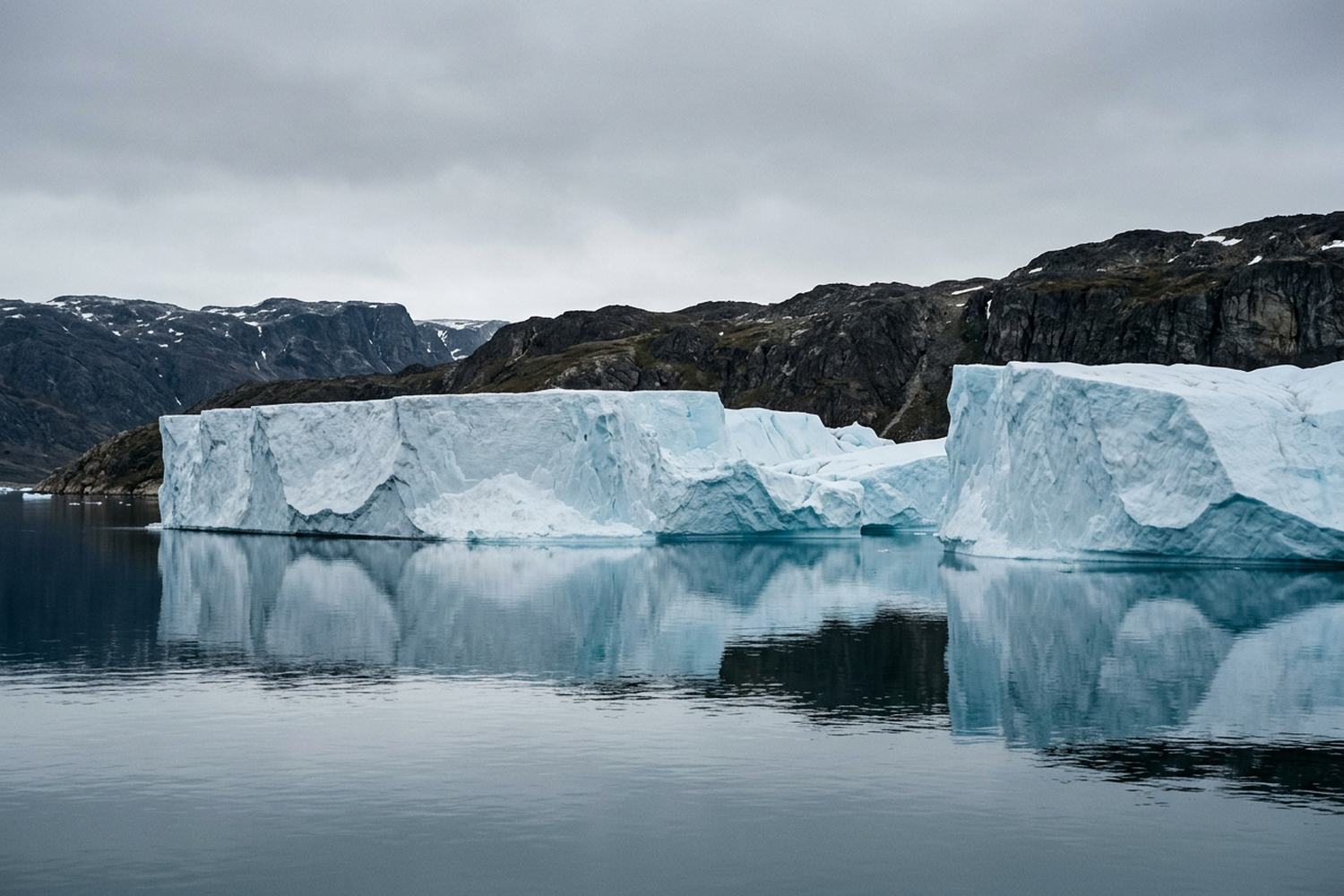 Greenland vacation packagecoastal trip between two settlements, four legs by small aircraft and open boat
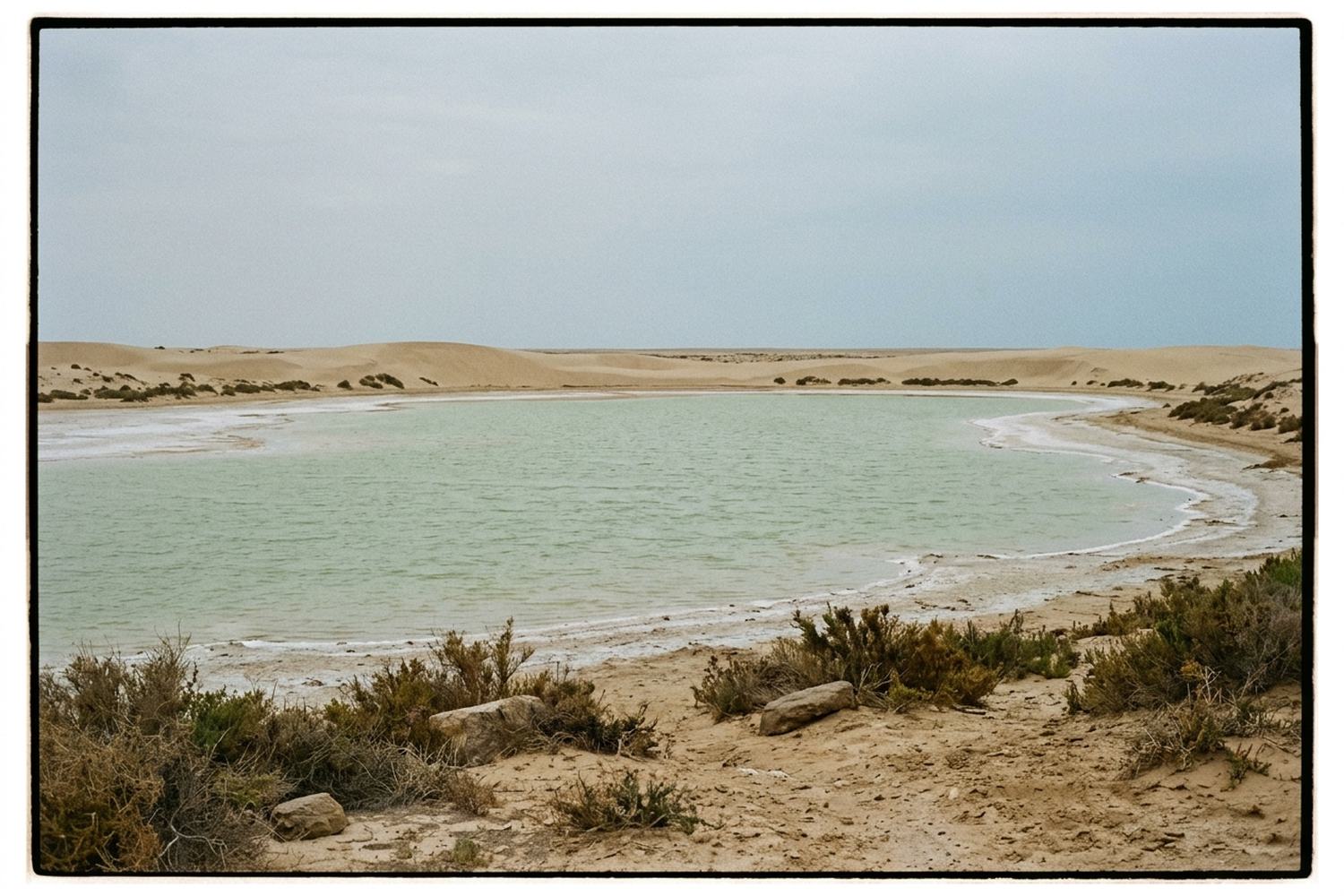 the Baja lagoons vacation packagesmall-boat whale watching from a lagoon camp
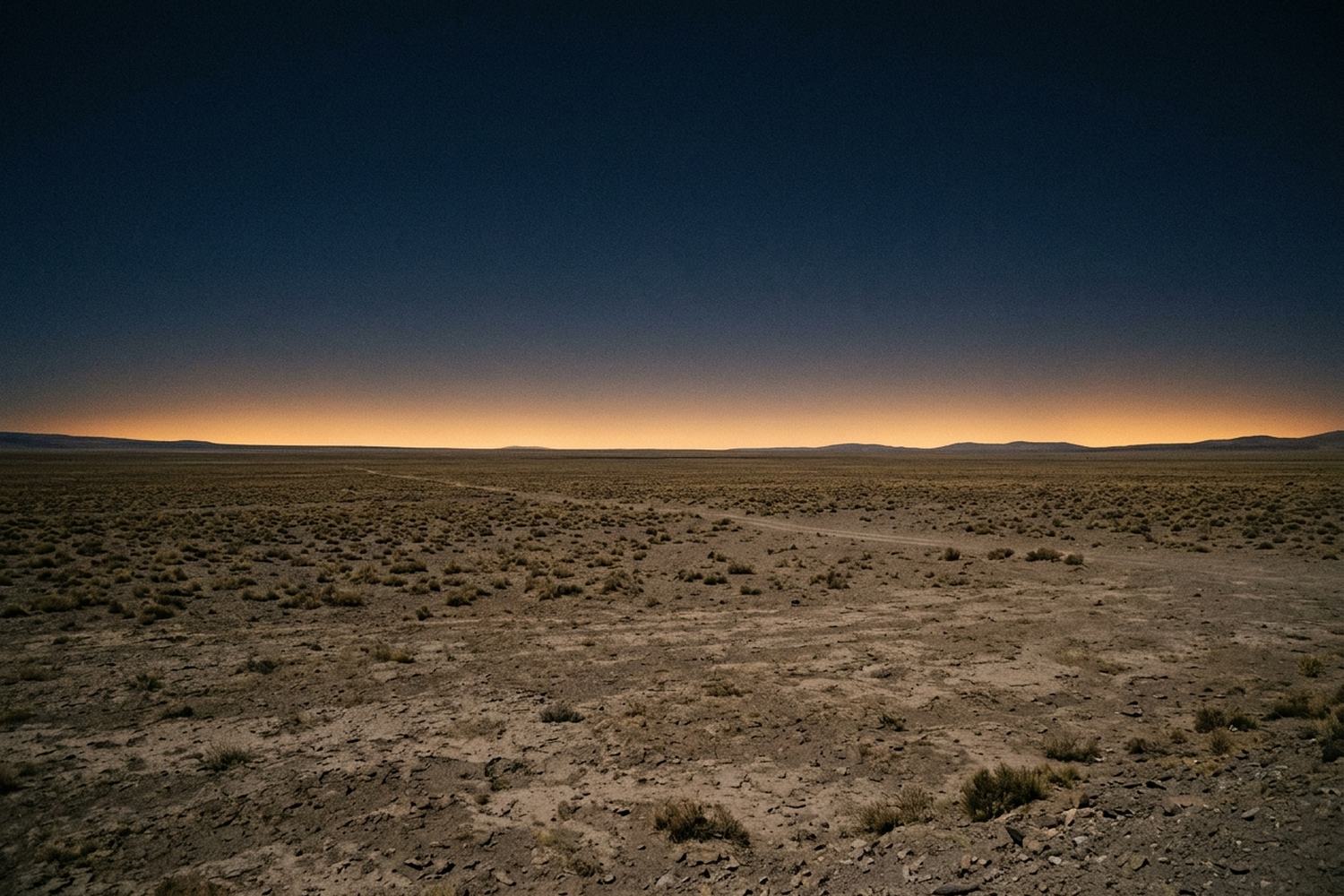 a total eclipse vacation packagean eight night chase for four minutes of shadow
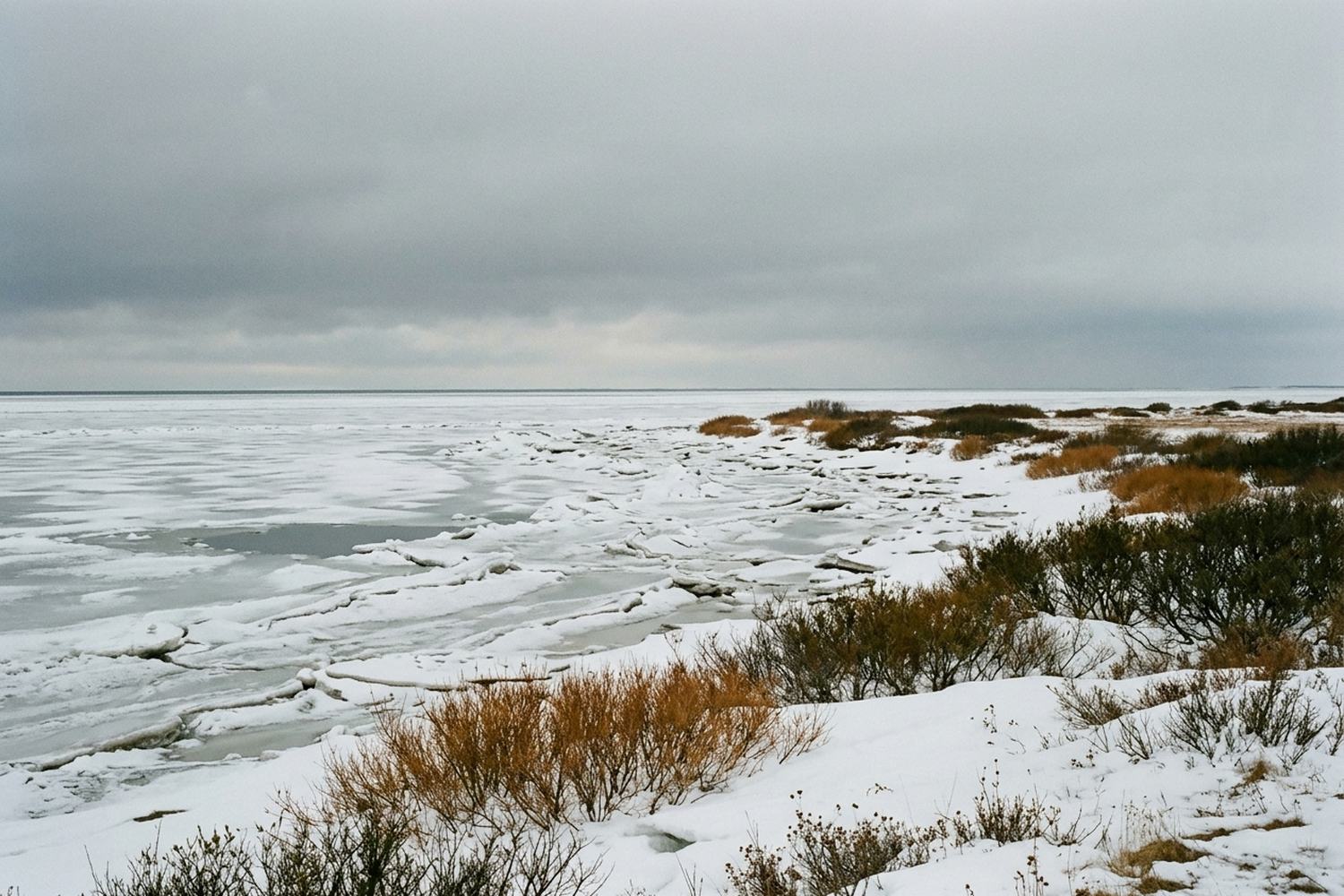 Churchill vacation packageone-animal wildlife watching in a fly-in arctic town
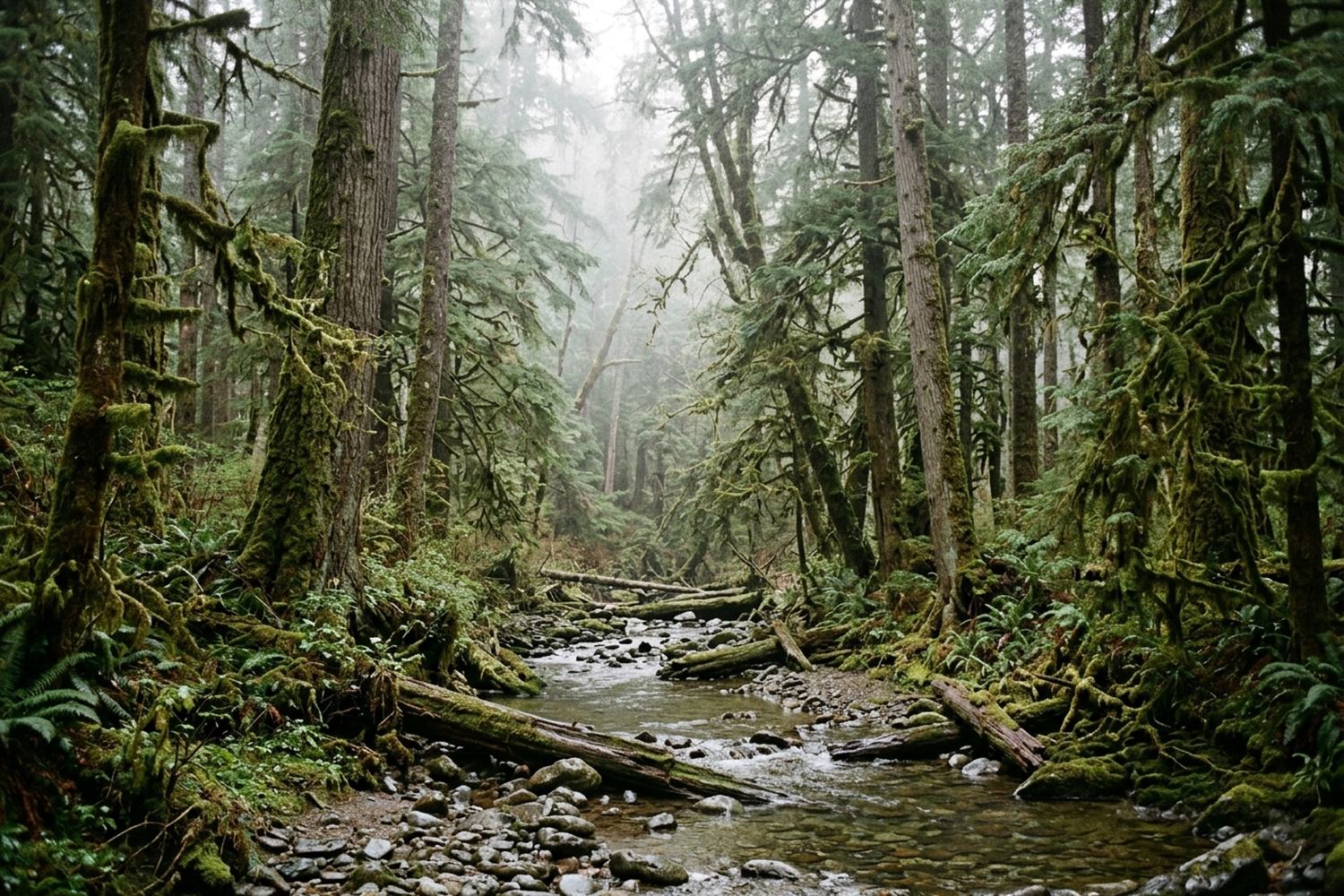 the Great Bear Rainforest vacation packageremote-coast wildlife viewing week from a single base
What comes back when you ask
- The odds against the trip, stated as a number for the months you are going
- A written proposal that names the firm performing the trip and carries the full per-person number
- What happens instead when conditions win, described rather than glossed
- Who owes you what when the weather is the reason, which is usually nobody
- The operator's own cancellation rules, attached rather than summarised
- The same person from your opening question through to your return flight
The job, and the invoice for it
- The work
- Reading another company's terms, digging out the weather clause, and telling you plainly when the odds are worse than the brochure suggests
- Your bill
- Nothing. No page here carries a charge from this company
- The income
- A share of the operator's own margin, released once you are back
- Who invoices you
- The operator, in its own name, which is the name your statement shows
- What sits here
- None of it. No field on this website would accept a payment
Ask what something costs
The company
- Registered as
- Travelmonte LLC
- Registered with
- the Ohio Secretary of State
- Office
- 20445 Emerald Parkway, Suite 350, Cleveland, OH 44135
- Telephone
- +1 (216) 736-5183
- Requests
- Through the form above, at any hour
- Writing
- skies@travelmonte.com